
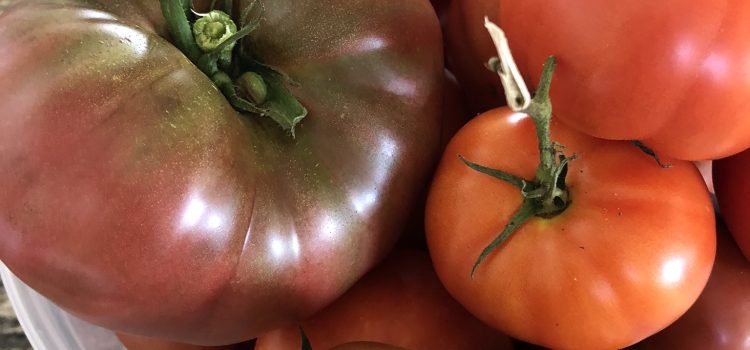
Many ask “Savings Seeds from Your Garden is it Hard“? No it isn’t. Interested, read on.
There comes a time when you have been gardening for a while that you will ask yourself “should I be savings seeds”? Sure you can buy seeds every year, but do you have to, is the real question? Absolutely, you do not have to buy seeds every year, is the answer. You just need to make sure you are saving the right type of seeds.
Being on our homestead I find every year we tweet the homestead, and with that, the ability to be even more self-sufficient increases. How do I go about adding more knowledge into my lifestyle is a question asked each year, along with what new skills do I want to add to my existing skillset?
Why would I want to Save Seeds?
- The biggest reason would be remember 2020 and how seeds became a shortage item? People realized if I want to make sure I have the best quality food items with no shortages then I need to become more self-sufficient and grow some things. Saving seeds allows you to always know you have the ability to grow food without worrying about a seed shortage.
- You are not reliant on someone else.
- Tomato seeds are quite easy to save so a great way to start.
- It saves you money.
- You know the seeds will do well in your area … this is a big one! Once they have grown in your area the seed acclimates to your climate and therefore produces a better, stronger plant.
Can You Save any Tomato Seed?
The quick answer is NO. You can do it, but should you. You are told you can save seeds from a tomato that you bought at the grocery store. Well is that true, yes and no. The tomato must be a specific type of tomato.
Is the Tomato an “Open–Pollinated Seed”
What does that mean, Open–Pollinated Seeds? Open-pollinated plants are pollinated by nature. Through wind, bees, insects, birds etc. An open-pollinated plant will produce an identical (or very close to it) product from the previous plant the seed was stored from. These traits of that “parent” plant are passed onto the next plant through seed saving.
Tomato plants are a GREAT way to start seed saving as they are open-pollinated and also “self-pollinating”. What does that mean? That means they have flowers on them that have both male and female parts. Meaning … they can pollinate themselves.
I have heard about Heirloom Seeds what are they?
Heirlooms are open-pollinated plants/seeds that have been passing on identical traits for 50 years or more. They have been saved and passed down through generations. Therefore, they produce a plant that is consistent and true to what it was supposed to be. I always look for Heirloom seeds, especially if I know I plant to seed save from that plant.
My Seed, it is a Hybrid or a GMO Seed?
Hybrids have been cross-pollinated by humans. GMOs refer to being genetically modified. If something is genetically modified then you know it has been created in a lab to produce a plant with specific traits and characteristics. Both Hybrid and GMO Seeds will not produce the true plant the next year. So what does that mean? You need to purchase those type of seeds every year if you want to grow that specific plant. Well my friend says they do it all the time? Yes if you save a seed from a hybrid or a GMO seed it will grow a plant … but it won’t be the same plant with all the same characteristics.
When Should I Harvest Tomatoes if I Plan to Save the Seeds?
The best time to save a seeds for a large variety of plants is when they are completely ripe. For example, with tomatoes you want them to be fully ripe, almost too soft. I purposely will sacrifice a tomato from my garden and let it go too far for human consumption (not rotten) just so I can save the seeds from it. Pick a nice, bright, good looking tomato. Why do you want to do this? Remembering earlier we talked about duplicating the plant for next year. Well if you picked a small, crappy tomato it will pass on those characteristics.
Now you are ready to Start the Process
Just a few items are required:
- Small Bowl
- Water
- Small Mesh Strainer
- Paper Plates
- Seed Storage Envelopes
- Pen
Ready to Start?
- First things first … get out a small bowl and put water in it. I then cut the tomato in half and remove the seeds and put them in the bowl with the water and discard the meat of the tomato … great to feed to the chickens. No waste.
- Next I put the dish on my counter for at least 24 hours. The gel coating on the outside of the seed will start to separate. This gel is what protects the seed from sprouting inside your tomato on the vine. If seeds starts to float remove those as they are not viable seeds that you want to save.
- The next day 24 hours or more later, I take a mini strainer and strain the water and seeds. The gel substance you can wash away a good portion of it. I then will put the seeds back in fresh water in the bowl and let sit again. I will continue this process until the bulk of the gel substance is removed from the seed. Varies depending on the seeds and the temperature in your home.
- Next I will strain again and then move the seeds onto a paper plate. I will write on the paper plate what type of seeds I am saving. Ask me how I know you need to do this? You think you might remember but summer gets busy with saving lots of different seeds.
- In a few days you will be able to notice that the seeds are dry. They will easily come off the plate with your fingernail when dried.
- When you know they are thoroughly dried, put them in a seed saving envelope. Label the envelope with the type of seed and the year saved.
* Again, remember this is what works for me. There are many ways to save tomato seeds. This is a method that is easy for me and I have implemented for more than five years successfully.
Wondering How to Store Your Garden Seeds
This is how I do it. Check my article here – Garden Seed Organization Tips.